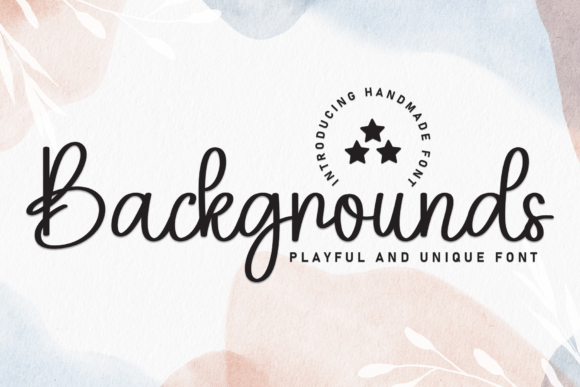
Backgrounds: A Script Font That Elevates Digital Branding
Recently, I was working on a boutique online store’s homepage redesign. The client wanted something fresh, elegant, and slightly whimsical to reflect their brand’s personality. After testing several fonts, I landed on Backgrounds, a stylish handwritten script font that immediately felt right for the project.
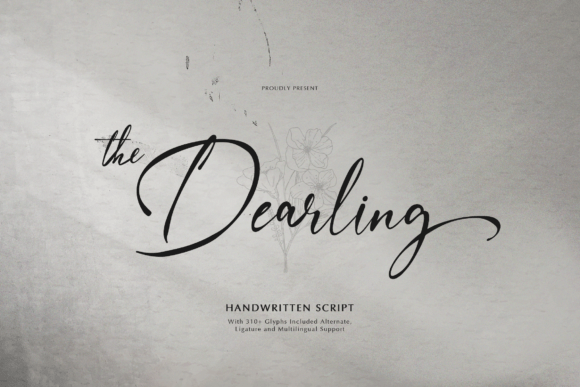
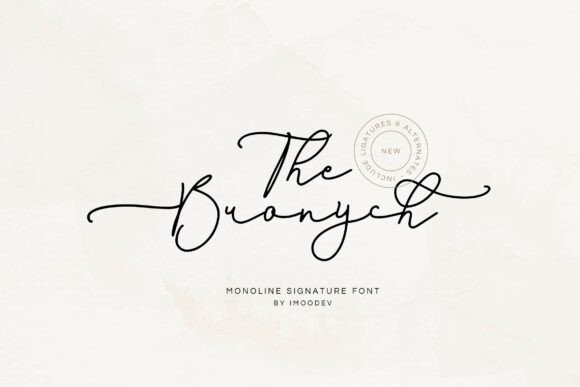
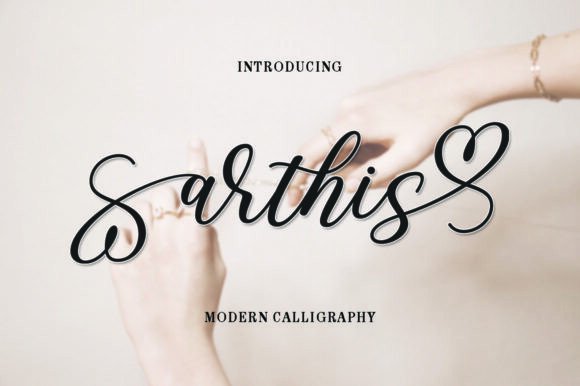
Backgrounds is more than just a decorative font—it’s a typeface with character. Its flowing strokes and graceful curves give it a sense of movement and elegance, making it feel both modern and timeless. It’s the kind of font that can transform a simple header into a visual statement without overwhelming the page.
Testing Backgrounds in Real Layouts
I first used Backgrounds in the hero section of the homepage. Placed over a soft image banner, it added a subtle elegance that didn’t compete with the background. The font’s delicate charm made the headline feel inviting, while its flowing nature gave the layout a sense of motion and energy.
On mobile, I was careful to ensure readability. Backgrounds works well at smaller sizes, but I adjusted the line spacing and letter spacing slightly to maintain clarity. This attention to detail helped keep the user experience smooth across all devices.
Where to Use Backgrounds
Backgrounds is versatile enough to work in multiple areas of a website. Here are some practical use cases:
- Hero Sections: Ideal for bold headlines that need to stand out while maintaining a soft, elegant feel.
- Call-to-Action Buttons: Its script style adds a touch of personality to buttons without being too distracting.
- Blog Headers: Perfect for adding a creative flair to blog titles or category headers.
- Course Sales Pages: Helps convey a sense of creativity and approachability, which is great for educational content.
- Portfolio Sites: Adds a unique touch to personal branding or creative projects.
- Branded Web Content: Whether it’s a campaign landing page or a digital brand kit, Backgrounds brings a refined aesthetic to any design.
The key is to balance its ornate style with clean, readable body text. For example, pairing Backgrounds with a simple sans serif font like Roboto or Open Sans creates a strong contrast that enhances visual hierarchy.
Readability and User Experience
While Backgrounds is beautiful, I knew I had to consider how it would affect readability. On dark backgrounds, it stands out beautifully, but on light backgrounds, I needed to adjust the contrast slightly to avoid eye strain. I also tested it on small buttons and found that reducing the weight of the font slightly improved legibility without losing its charm.
One thing I noticed was that Backgrounds works best in short phrases or headings. It’s not ideal for long paragraphs, where a simpler, more legible font would be better. However, when used strategically—like in section headings or as a decorative accent—it can add a lot of visual interest without sacrificing usability.
Font Pairing and Design Consistency
When pairing Backgrounds, I focused on creating a balanced typographic hierarchy. For instance, using it for the main heading and then pairing it with a clean sans serif font for the body text created a nice contrast. This approach kept the design cohesive while allowing each element to shine.
For a more editorial look, I considered pairing Backgrounds with a serif font like Playfair Display. This combination gives a more traditional, refined feel, which could be perfect for a magazine-style blog or a creative portfolio site.
It’s also important to check the font’s webfont availability and file formats before implementation. Ensuring that Backgrounds supports multilingual characters and has proper licensing for commercial use was crucial for the project’s success.
Final Thoughts on Backgrounds
Overall, Backgrounds is a fantastic choice for designers looking to add a touch of elegance and personality to their projects. Whether you’re building a boutique online store, a coaching website, or a creative portfolio, this font offers a unique blend of style and functionality.
Its ability to adapt to different layouts, support responsive design, and enhance brand identity makes it a valuable addition to any designer’s toolkit. With the right pairing and thoughtful application, Backgrounds can elevate your digital brand and create a more engaging user experience.